
Inflammatory Bowel Disease In Cats
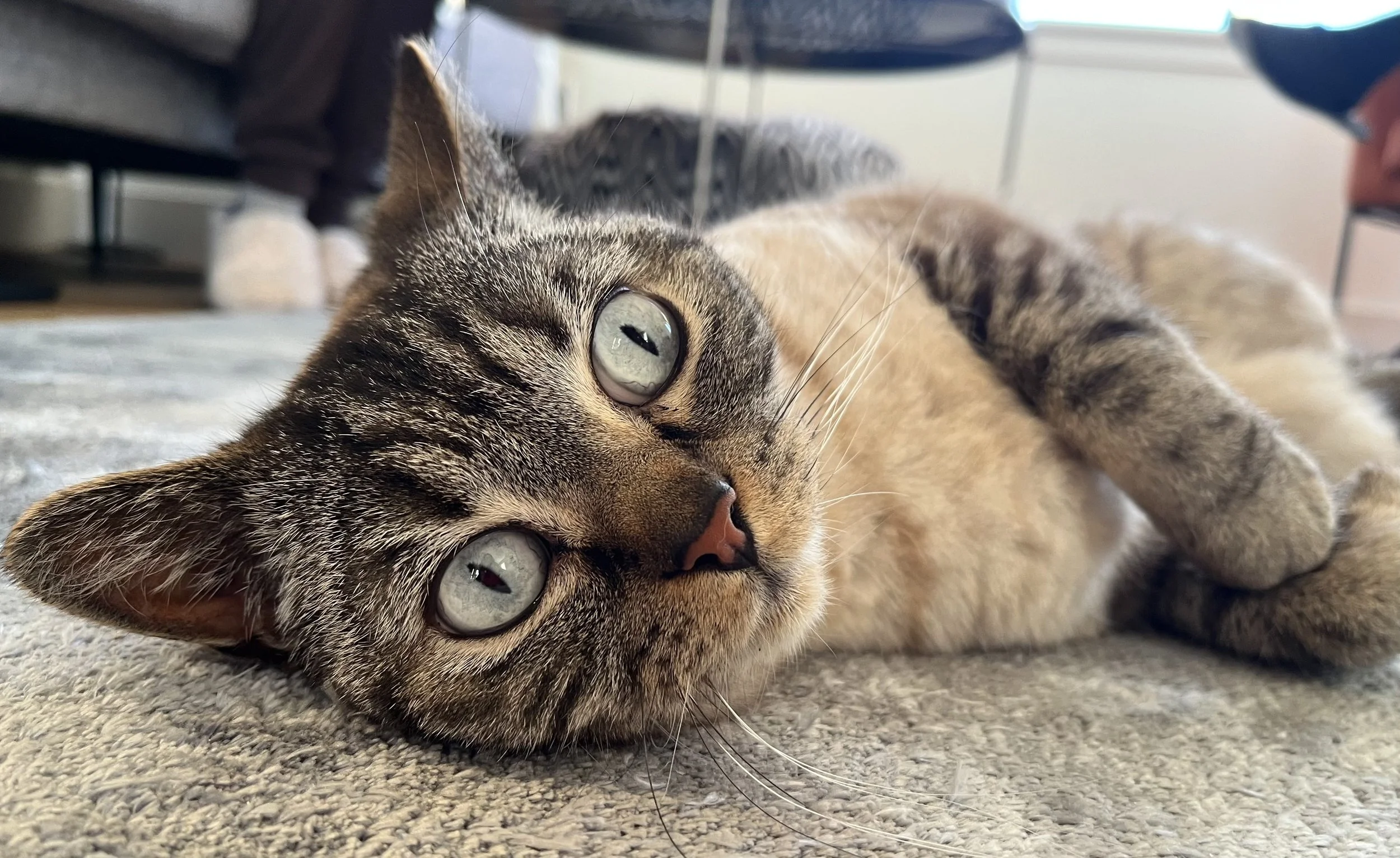
Dear Diary,
It has been up and down with Jamie’s health for a while now.
It all started with him throwing up occasionally. Which was very unlike him, but then cats puke more than humans, and he was still eating, and I assumed he’d be fine.
Eventually, he started throwing up his breakfast and couldn’t keep any food inside. So, a visit to the vet was necessary.
After a quick examination, the vet told me that he most likely had IBD.
Apparently, this can develop in cats at this age and is also common in pedigree cats. It is often caused by a food allergy.
As it’s a chronic disease, the vet advised me that there will probably be flare-ups now and then, but as long as he keeps eating and behaves normally, there will be no need for further tests (which would be rather expensive…).
So far, I had never heard of IBD before.
IBD - Inflammatory Bowel Disease
IBD, short for inflammatory bowel disease, is a syndrome which is caused by a reaction to chronic irritation of the cat’s intestinal tract. As a result, their body reacts with inflammation.
The problem is that when inflammatory cells invade the body, the lining of the gastrointestinal tract thickens.
This makes it harder to absorb nutrients and move food along the gastrointestinal tract.
It is difficult to find out the underlying reason, but most often it’s caused by parasites, bacteria or a reaction to a specific protein in the diet. Lastly, most likely the case with Jamie.
IBD can affect the stomach and the intestines. If the stomach is involved, frequent vomiting is typical.
How to treat IBD?
1) Medication
For acute flare-ups, the vet can give steroids to reduce the inflammation and injections to help with the vomiting.
Jamie also got Omeprazole for two weeks to help with his stomach acid.
2) Diet
As Jamie’s IBD is probably caused by a food allergy, I had to change his diet completely.
The vet recommended a hypoallergenic diet.
He is now on a special food by Hills that contains hydrolysed protein to help avoid adverse food reactions.
That’s the second brand we were trying, the Royal Canin, unfortunately, caused runny poo.
He has been fine for a couple of months, and I started to relax again.
Unfortunately, lately, he’s not a fan of his food and behaves funny around mealtimes.
Sometimes he ignores his food or keeps walking away after a few bites. Sometimes, he gobbles it down as usual. Very unpredictable, but it worries me a lot.
It might be that he no longer likes the kibbles, so I decided to order the last option the vet suggested, Pro Plan hypoallergenic cat food.
Keep your fingers crossed that this will do the trick. On top of that, he is underweight, so it’s important that he has all his food.